5 Signs Your VR Workout Is Really Just a Shoulder Workout
Quick Answer: Most VR fitness games track hand position only, so the game rewards arm movement and is blind to whether your legs did anything. Left uncorrected, this trains the anterior deltoids heavily and almost nothing else - and the anterior deltoid fatigues quickly, which caps the whole session. Here are five signs it has happened, each with a specific correction: sinking into your knees, initiating from the hips, adding real lower-body work, and checking whether your play space is forcing you to stay still.
Five checks, one at a time. Persistent shoulder pain is different from fatigue and deserves proper assessment.
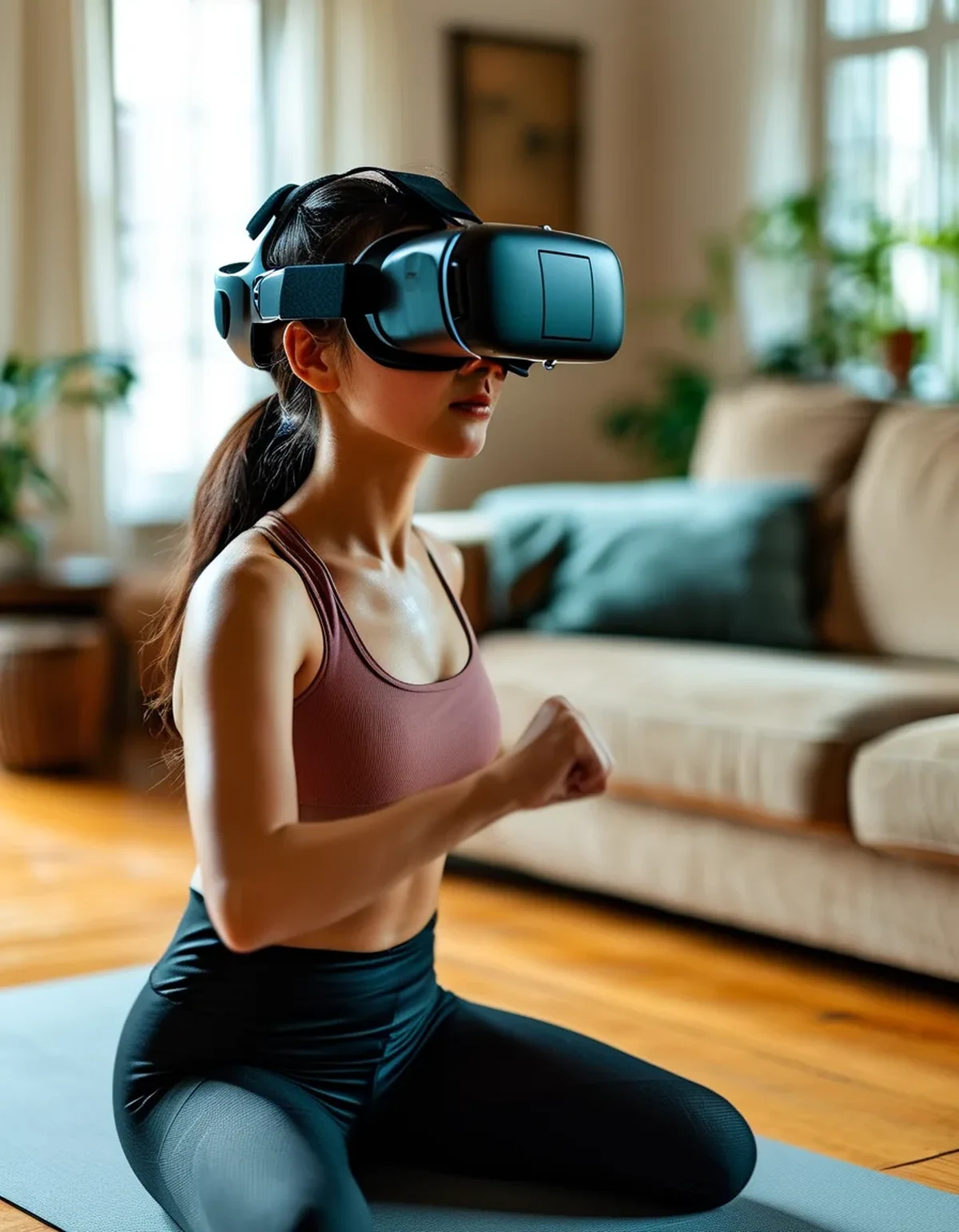
Sign 1: Only your shoulders are ever sore
If the day-after soreness is always anterior deltoid and never legs or back, the game is tracking your hands and you are giving it only hands. That is the clearest possible signal that the movement is happening entirely above the waist.
Anterior deltoids are small and fatigue fast, which is also why your session length feels capped by your arms rather than by your breathing.
The correction is to move your whole body to the target, not just your arm. Bend the knees, step, and rotate the torso so the hand arrives at the right place because the body took it there - the score is identical and the workout is completely different.
Sign 2: Your knees stay straight the whole session
Standing tall with straight legs is the default position VR games allow, because nothing in the tracking asks for anything else. Over weeks that means the largest muscles in your body do essentially nothing.
Adopt an athletic stance from the start: feet shoulder-width, knees softly bent, weight on the midfoot. Holding this alone converts a shoulder session into a genuine lower-body one without changing the game at all.
Squat to the low targets rather than reaching down. Reaching bends the back; squatting loads the legs, and low targets are the built-in opportunity most players waste.
Sign 3: Your play space is smaller than two steps
A cramped guardian boundary forces a stationary game. If you cannot take a full step in any direction, the only thing left to move is your arms, and no amount of intention overcomes that.
Aim for at least 2 x 2 metres of genuinely clear floor. More space changes the movement pattern more than any settings adjustment, because it makes stepping and lunging possible.
Move the furniture properly rather than working around it. Half-clearing a space produces a cautious, small-range session that trains exactly the pattern you are trying to escape.
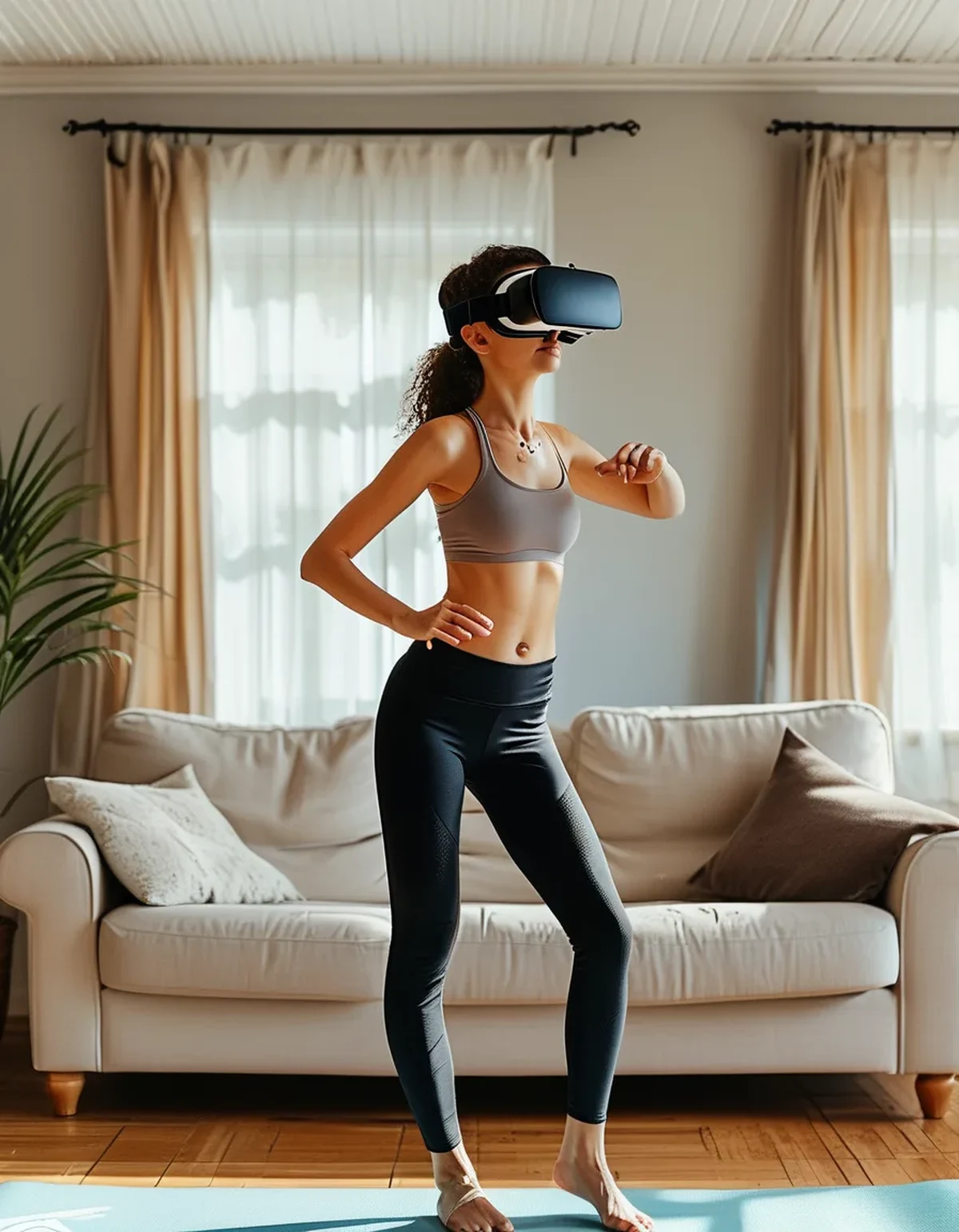
Sign 4: Your heart rate is high but your legs feel fresh
Rapid arm movement raises heart rate efficiently - arms elevate heart rate faster than legs for the same energy cost - so the numbers can look excellent while the training effect is narrow.
Do not judge the session by heart rate alone. A high average can reflect small-muscle fatigue and elevated arm work rather than meaningful whole-body conditioning.
Add deliberate lower-body work either way. Two sets of 15 squats and 10 lunges per leg after the headset comes off takes four minutes and covers the entire gap.
Sign 5: You have stopped getting fitter despite consistent play
Plateaus in VR fitness are usually a load problem, not an effort problem. The game gets faster but the resistance never increases, so there is no progressive overload once technique settles.
Add light wrist weights of 0.5 to 1 kg, and no heavier - the arm speeds involved make heavier weights a genuine shoulder-injury risk rather than a training benefit.
Alternate VR days with resistance training. VR fitness works well as conditioning alongside strength work and poorly as a complete programme on its own. Persistent shoulder pain, as opposed to normal fatigue, deserves proper assessment - this is general information, not medical advice.
FAQ: VR Workout Balance, Answered
Why do only my shoulders get sore after VR fitness?
Because most games track hand position only. The scoring rewards arm movement and cannot tell whether your legs contributed, so the anterior deltoids do nearly all the work.
How do I involve my legs without losing points?
Move your whole body to the target instead of just your arm - bend the knees, step, and rotate the torso. The score is unchanged and the training effect is completely different.
How much space do I actually need?
At least 2 x 2 metres of genuinely clear floor. Below that you cannot take a full step, which forces an arms-only session regardless of intention.
Is a high heart rate enough?
Not on its own. Rapid arm movement raises heart rate efficiently even when the training effect is narrow, so heart rate alone overstates the quality of the session.
Should I use wrist weights?
Light ones only - 0.5 to 1 kg. The arm speeds in VR fitness make heavier weights a shoulder-injury risk rather than a useful load.
Why have I stopped progressing?
Because the game increases speed but never resistance, so progressive overload stops once your technique settles. Pair VR days with actual resistance training.
What should I add after a session?
Two sets of 15 squats and 10 lunges per leg. Four minutes covers most of what the headset cannot ask for. Persistent shoulder pain deserves proper assessment - this is general information, not medical advice.
TL;DR:
- Games track hands, not legs, so they reward arm movement and are blind to everything else.
- Only-shoulder soreness is the diagnostic sign. Anterior deltoids fatigue fast and cap the session.
- Athletic stance from the start: feet shoulder-width, knees soft, weight midfoot. Squat to low targets rather than reaching.
- 2 x 2 metres of clear floor minimum - below that, stepping is impossible and arms are all that is left.
- High heart rate overstates the session. Arms raise it efficiently without broad training effect.
- Wrist weights 0.5 to 1 kg maximum, given the arm speeds involved.
- Add 2 x 15 squats and 10 lunges per leg after the headset comes off - four minutes closes the gap.
VR fitness is good conditioning alongside strength training and a poor complete programme alone. Persistent shoulder pain deserves proper assessment.
Keep Reading
This article is for general informational and styling purposes only. Fit, sizing, and product availability may vary.