The Guardian Boundary Mistake That's Quietly Shrinking Your VR Workout Space
Quick Answer: Most people draw their Guardian boundary several inches inside the actual clear floor space out of caution, then wonder why swinging or lunging movements keep triggering boundary warnings — redrawing the boundary right at the true furniture edge, not a buffer inside it, is usually enough to fix the cramped feeling without moving any furniture.
A VR fitness game that felt spacious in the demo suddenly feels boxed-in at home, and the instinct is to blame the room. Often it’s just the boundary line itself.
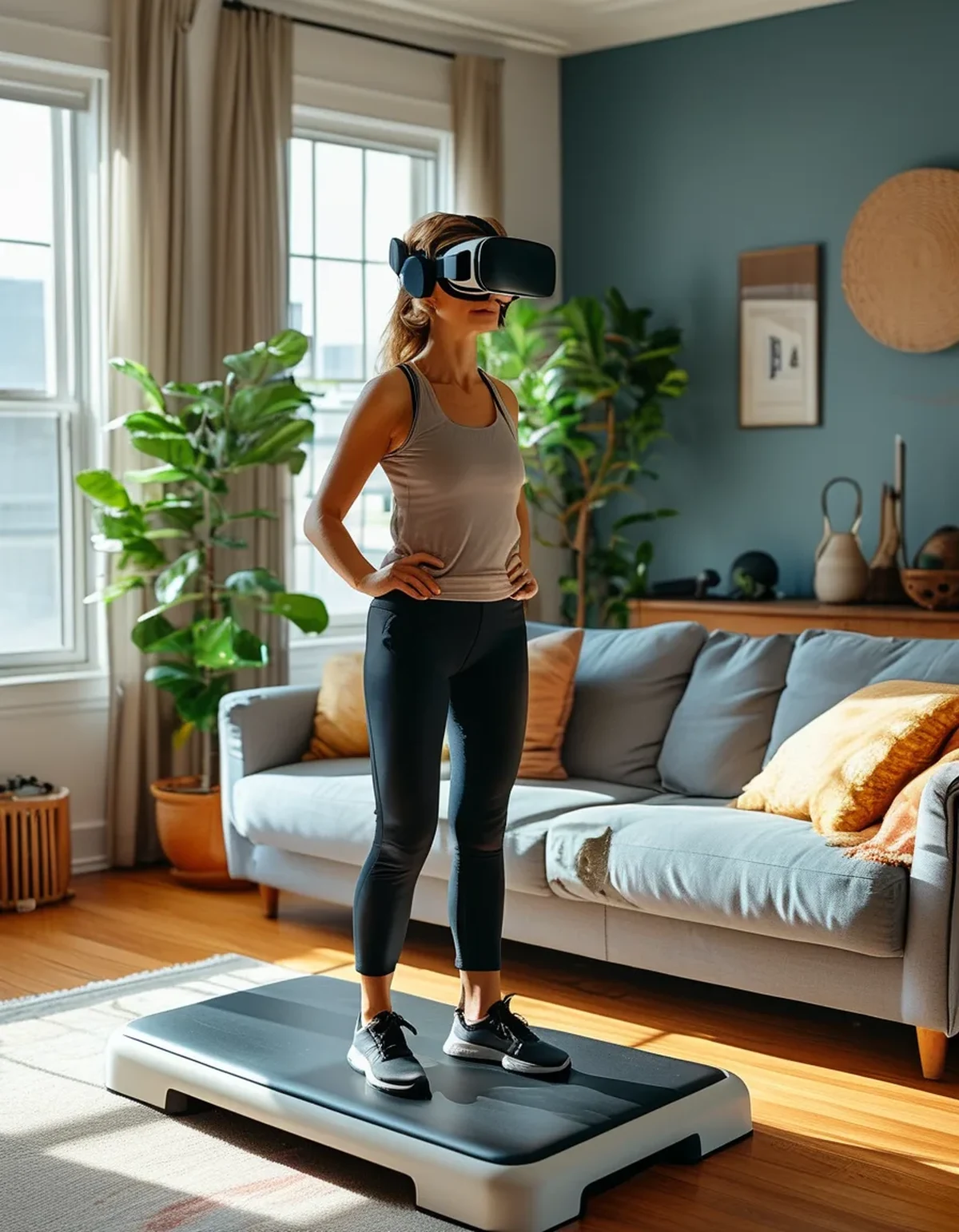
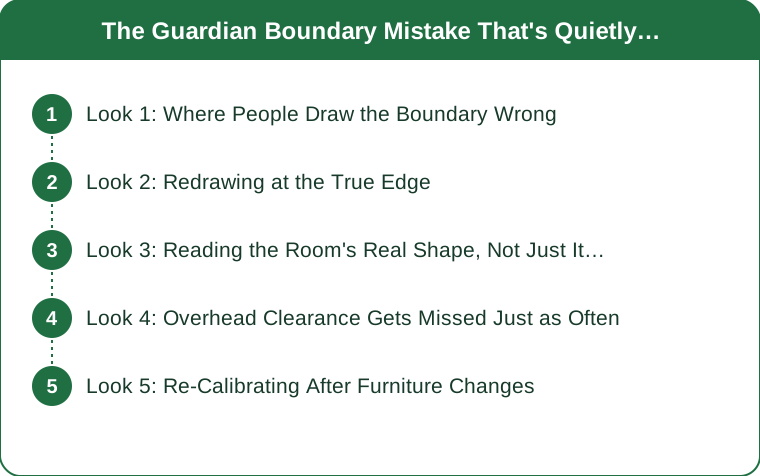
Look 1: Where People Draw the Boundary Wrong
Most first-time setups leave a foot or more of “safety margin” inside the actual clear space, drawn out of an abundance of caution during initial setup. That margin adds up fast in a small room, quietly removing the exact swing radius a boxing or dance game needs most.
Look 2: Redrawing at the True Edge
Walking the actual furniture and wall edges while drawing the boundary, rather than staying a cautious step back, recovers meaningful floor space without any real safety tradeoff, since the boundary warning system itself already gives a visual buffer once you’re near the edge.
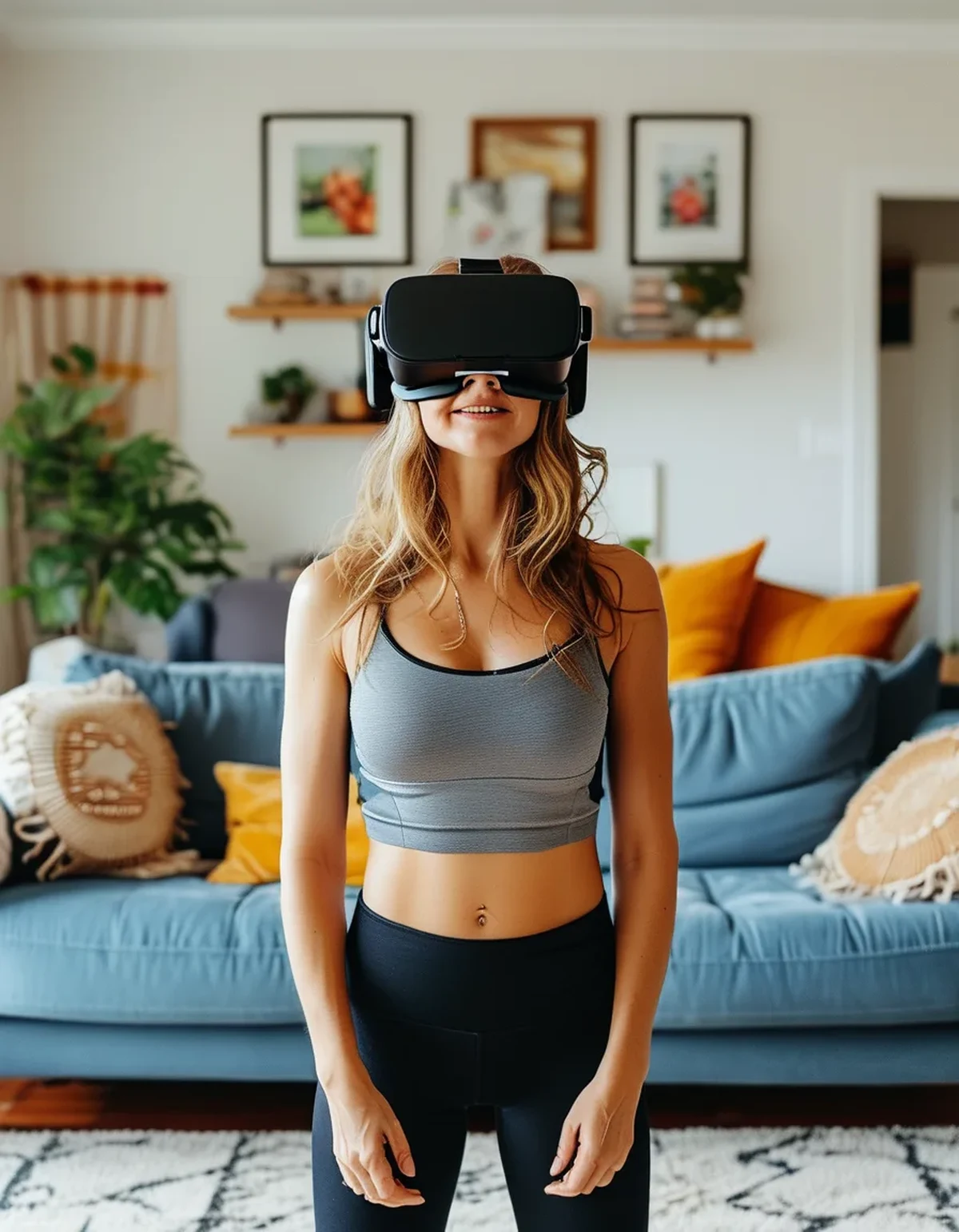
Look 3: Reading the Room’s Real Shape, Not Just Its Footprint
An irregular room (an L-shape, a bay window nook) often has more usable space than its simple square-footage boundary suggests — tracing the boundary around the actual irregular perimeter, rather than settling for the largest rectangle that fits, captures corners many people skip.
Look 4: Overhead Clearance Gets Missed Just as Often
Ceiling fans, hanging light fixtures, and low doorframes rarely factor into a floor-based boundary setup, but overhead swings in boxing or dance-rhythm games can clip them regardless of how well the floor boundary is drawn — a quick overhead check before playing matters as much as the floor line.
Look 5: Re-Calibrating After Furniture Changes
A boundary drawn once during setup doesn’t update itself when furniture moves, and a surprising number of boundary-warning complaints trace back to a coffee table or rug shifted weeks earlier. Redrawing the boundary after any furniture rearrangement takes under a minute and prevents this exact recurring frustration.
TL;DR:
- A too-cautious boundary margin is the most common reason a VR fitness space feels cramped
- Redraw right at the true furniture and wall edge, not a step back from it
- Trace irregular room shapes fully instead of settling for the largest simple rectangle
- Check overhead clearance separately, since floor boundaries don’t account for fixtures above
- Re-calibrate any time furniture moves, since an old boundary silently becomes inaccurate
Most VR fitness space complaints are a five-minute calibration fix, not a real room-size limitation.
Keep Reading
This article is for general informational and styling purposes only. Fit, sizing, and product availability may vary.