Which VR Headset Is Actually Worth It for Fitness? 5 Things to Check Before You Buy
Quick Answer: For fitness use specifically, prioritize a lightweight, well-ventilated headset with sweat-resistant face padding, a wireless (standalone) design, and a battery life of at least 2 hours — screen resolution matters far less for workout apps than for gaming.
Most VR buying guides are written for gamers sitting on a couch, not for someone about to sweat through a 45-minute boxing session. Here’s what actually changes when fitness is the priority.
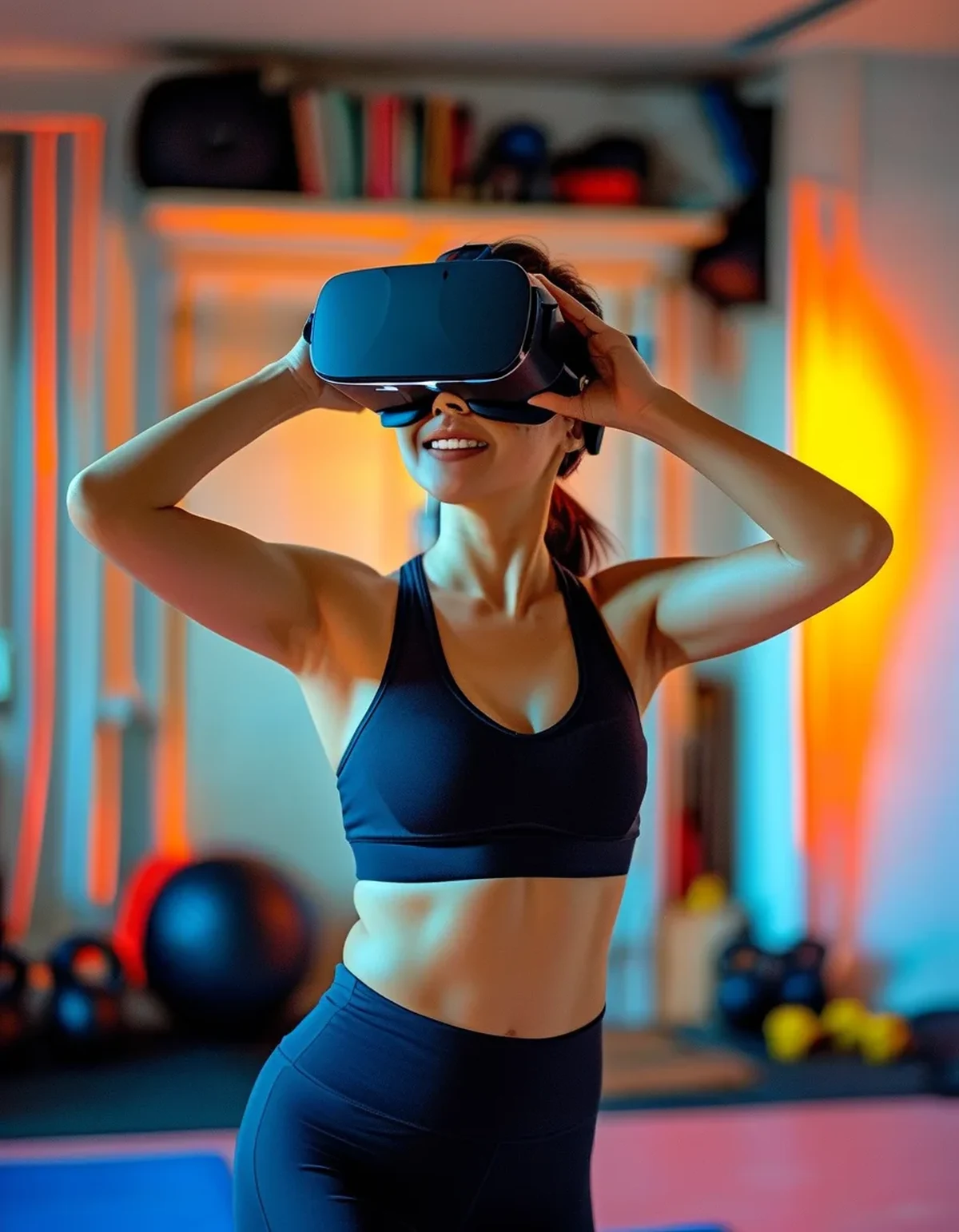
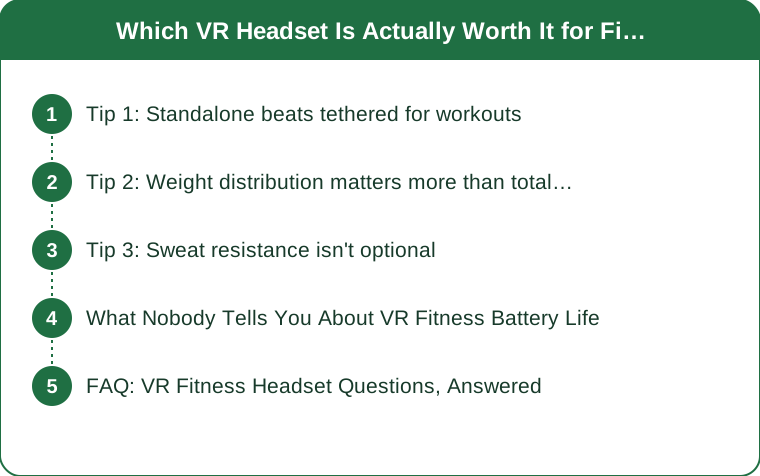
Tip 1: Standalone beats tethered for workouts
A tethered headset connects to a PC or console with a cable that becomes a tripping hazard the moment you start moving fast. Standalone headsets, which run independently with their own processor, are the only realistic option for anything beyond gentle rhythm games.
Tip 2: Weight distribution matters more than total weight
Two headsets can weigh the same but feel completely different during a workout — one with weight concentrated at the front strains your neck within 15 minutes, while a rear-weighted or balanced-strap design stays comfortable through a full session.
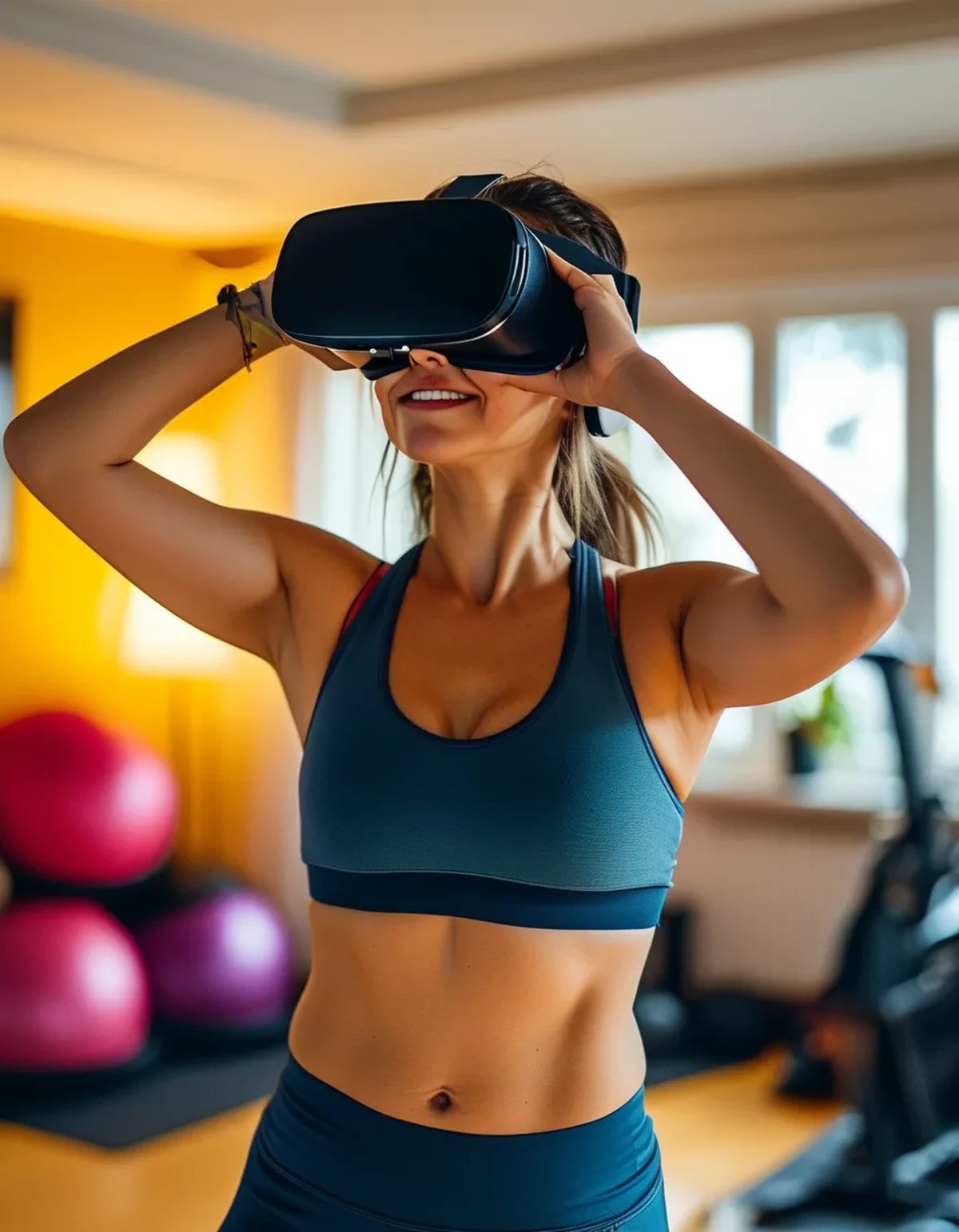
Tip 3: Sweat resistance isn’t optional
Foam face padding designed for casual gaming absorbs sweat, holds odor, and degrades within weeks of regular workout use. Look specifically for silicone or replaceable, washable face covers — a detail most spec sheets bury far down the page.
What Nobody Tells You About VR Fitness Battery Life
Marketed battery life numbers are almost always measured for low-motion use like watching video, not for a cardio session with the display running at full brightness and motion tracking working overtime. A headset rated for 3 hours may realistically give you 90 minutes of actual boxing or dance workout time — plan around the real number, not the box number.
FAQ: VR Fitness Headset Questions, Answered
Do I need a high-resolution headset for fitness apps?
Not really — most fitness apps prioritize smooth tracking and low motion blur over sharp visuals, so a mid-range resolution headset performs just as well for workouts as a premium one.
How much room do I actually need for VR workouts?
Most fitness apps recommend at least a 6.5 x 6.5 foot clear space, though boxing and dance-heavy apps benefit from closer to 8 x 8 feet to avoid controller collisions with furniture.
Will VR fitness make me motion sick?
Some people experience it initially, especially with locomotion-heavy games, but stationary fitness apps (boxing, dance, HIIT) trigger far less motion sickness than exploration games since your real movement matches what you see.
TL;DR:
- Standalone (wireless) headsets are the only practical choice for active workouts
- Weight distribution and sweat-resistant padding matter more than raw specs
- Real workout battery life runs well below the marketed number — budget accordingly
- Resolution is a lower priority for fitness apps than for gaming
Before comparing screen specs, check the face padding material and battery claims — those two details predict your actual workout experience far better than anything on the marketing page.
Keep Reading
This article is for general informational and styling purposes only. Fit, sizing, and product availability may vary.