How Many Calories VR Fitness Games Actually Burn, According to the Research (Not the App)
Quick Answer: Independent research measuring VR fitness games with proper metabolic equipment has found that many popular titles produce a genuine moderate-to-vigorous intensity workout — comparable to brisk walking or light jogging for calorie burn — but in-app calorie estimates tend to run higher than measured values, so the real number is usually meaningfully lower than what the game displays.
The games aren’t lying exactly — they’re estimating, and independent lab measurement consistently finds the real number sits below the optimistic in-app figure.
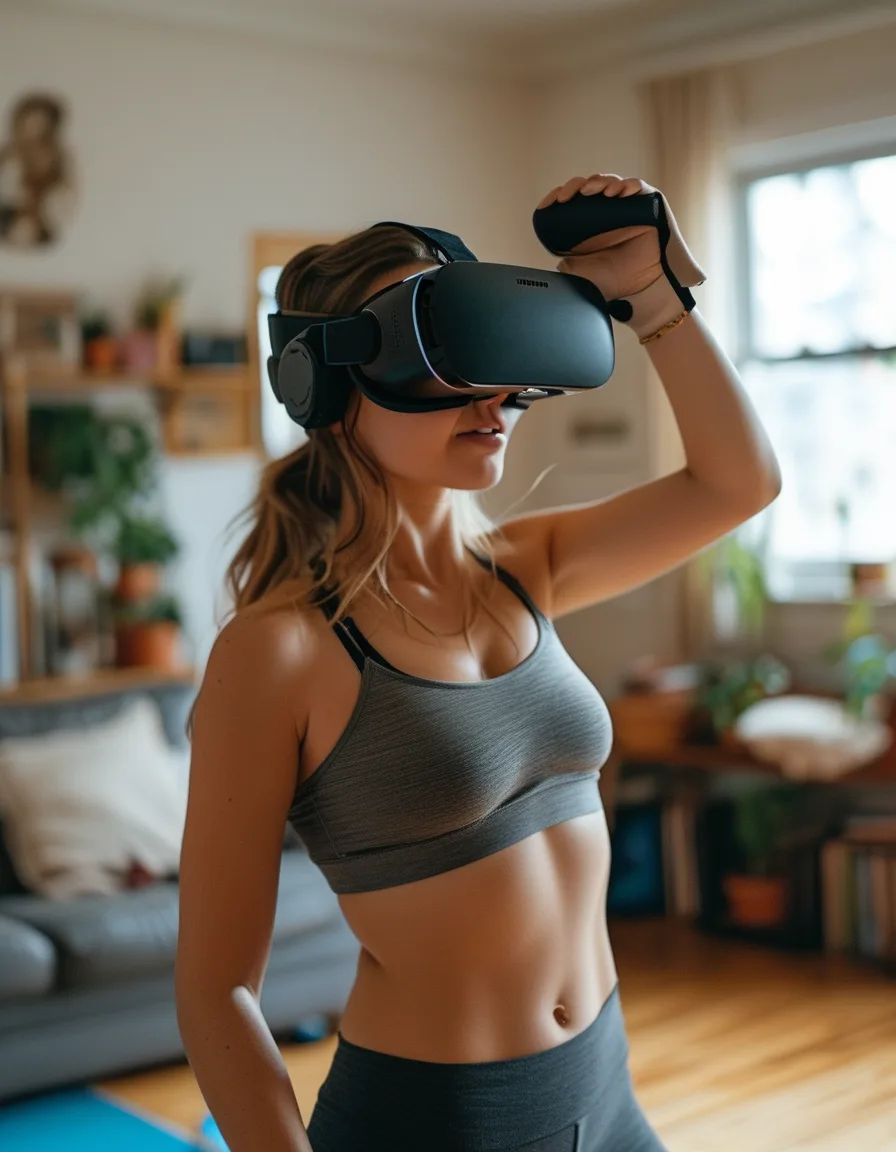
What have independent studies actually found about VR fitness calorie burn?
Several peer-reviewed studies using indirect calorimetry (a method that measures actual oxygen consumption to calculate real energy expenditure, rather than motion-based estimation) have found that popular rhythm-based VR fitness games can produce energy expenditure comparable to moderate-intensity exercise, in some cases similar to a brisk walk or recreational cycling.
However, the same studies generally found that in-game calorie estimates overstated actual measured expenditure, sometimes by a meaningful margin, since games typically estimate based on movement and heart rate proxies rather than true metabolic measurement.
Why would a game’s own calorie counter be inaccurate if it’s tracking your actual movement?
Motion-tracked calorie estimates rely on algorithms calibrated to general movement patterns, not an individual’s actual metabolic rate, body composition, or fitness level — factors that significantly affect real calorie burn but aren’t directly measured by a headset or controller’s motion sensors.
This is a limitation shared by most consumer fitness tracking devices, not unique to VR specifically — but it means treating the in-app number as a precise measurement rather than a rough estimate leads to inflated expectations.
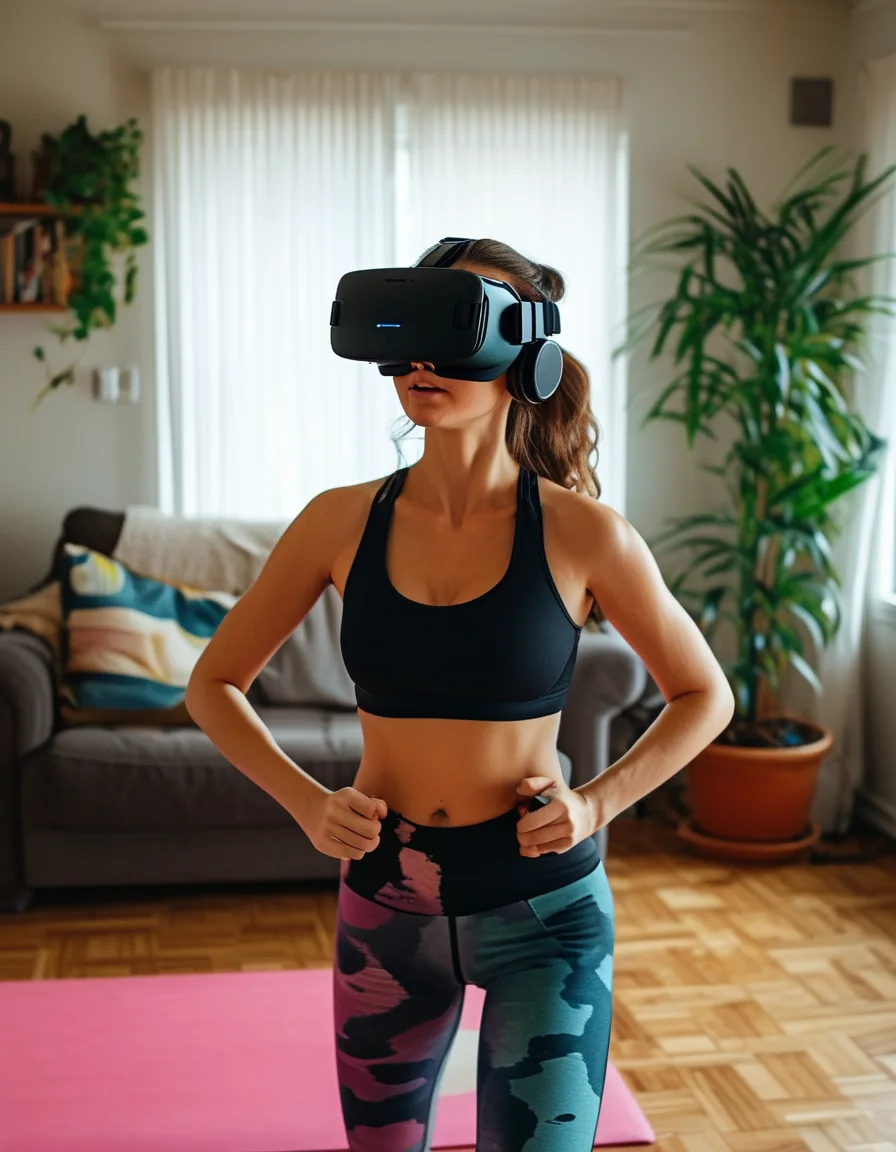
Myth vs Fact: VR Fitness Calorie Burn
Myth: VR fitness games can’t produce a real workout since they’re ‘just a game.’ Fact: Multiple studies confirm genuine moderate-to-vigorous intensity exercise responses (elevated heart rate, real oxygen consumption) during popular VR fitness titles.
Myth: The in-app calorie counter is a reliable number to track for weight goals. Fact: Measured studies consistently find real expenditure is somewhat lower than the displayed in-app estimate.
Myth: All VR fitness games produce similar calorie burn. Fact: Intensity varies significantly by game genre — rhythm/boxing-style titles tend to produce meaningfully higher expenditure than slower-paced titles.
Does this mean VR fitness games aren’t worth using for weight or fitness goals?
Not at all — even accounting for inflated in-app numbers, the actual measured exercise intensity in many titles is genuinely moderate-to-vigorous, meeting a meaningful threshold for cardiovascular benefit. The issue is specifically with treating the displayed calorie number as precise, not with the exercise value of the activity itself.
For tracking purposes, a dedicated heart rate monitor paired with a fitness tracker’s calorie estimate tends to be more accurate than relying on the game’s own built-in counter.
FAQ: VR Fitness Calorie Questions, Answered
Which types of VR fitness games tend to burn the most calories?
Rhythm-based boxing and dance-style games generally produce the highest measured intensity among popular VR fitness titles studied.
Is VR fitness a legitimate substitute for traditional cardio workouts?
For many people, yes — studies show comparable cardiovascular intensity to traditional moderate exercise, making it a legitimate option, especially for people who find traditional cardio less engaging.
Should I trust a fitness tracker worn during VR gaming more than the game’s own counter?
Generally yes — a dedicated fitness tracker measuring actual heart rate tends to produce a more individually accurate estimate than a game’s generalized movement-based algorithm.
TL;DR:
- Independent studies confirm many VR fitness games produce genuine moderate-to-vigorous exercise intensity
- In-app calorie counters tend to overstate real measured energy expenditure
- The inflated number reflects estimation limitations, not that the exercise itself isn’t real
- A dedicated heart rate-based fitness tracker gives a more individually accurate calorie estimate than the game’s built-in counter
The workout is real — just trust an external heart rate tracker over the game’s own optimistic calorie display for an honest number.
Keep Reading
This article is for general informational and styling purposes only. Fit, sizing, and product availability may vary.