Why VR Workouts Make Some People Queasy and How to Train Past It
Plenty of people try a VR fitness game, feel queasy within ten minutes, and quietly decide the whole category is not for them. That is a shame, because VR motion sickness is usually preventable and often fades entirely with the right approach. Here is what actually causes that seasick feeling in a headset, the game and setup choices that minimize it, and how to build tolerance so you can enjoy sweaty VR workouts without your stomach staging a protest.
What actually makes you queasy
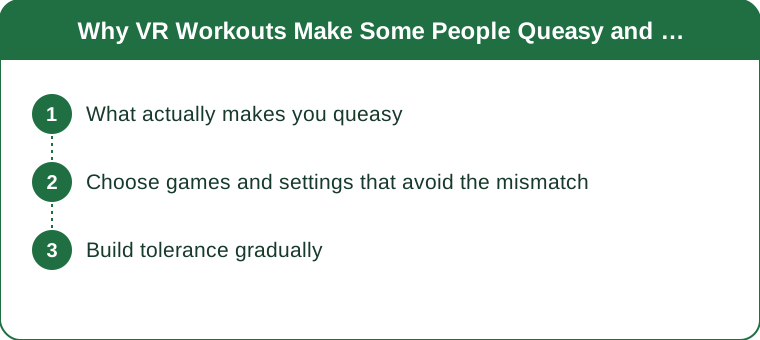
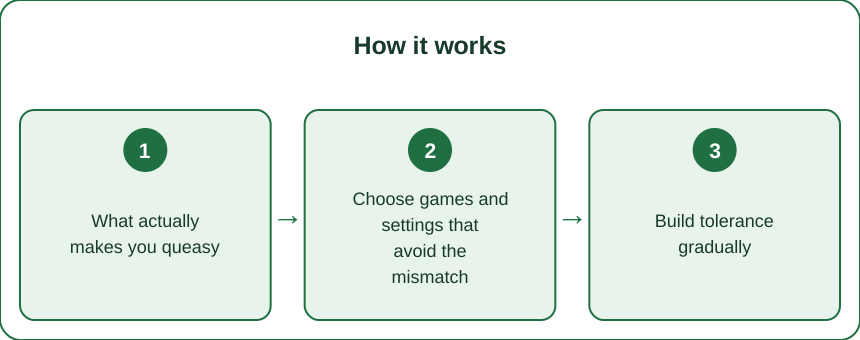
VR motion sickness comes from a mismatch between what your eyes see and what your inner ear feels. When the game moves your viewpoint through a virtual space but your body is standing still, your senses disagree about whether you are moving, and your brain responds with the same nausea it produces on a rocking boat. Artificial locomotion, where the world slides past while your feet stay put, is the biggest culprit. Understanding this mismatch is the key, because it tells you exactly which experiences to avoid and which to seek out.
Choose games and settings that avoid the mismatch
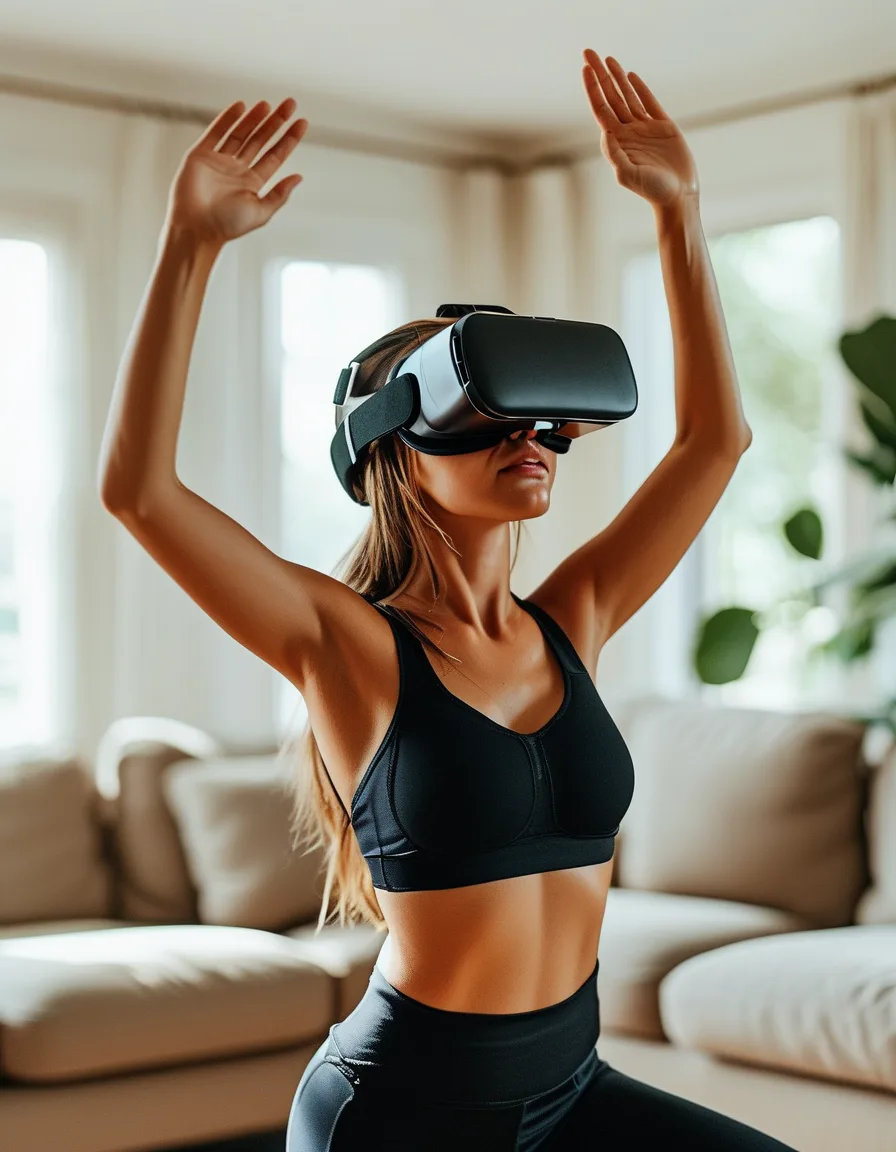
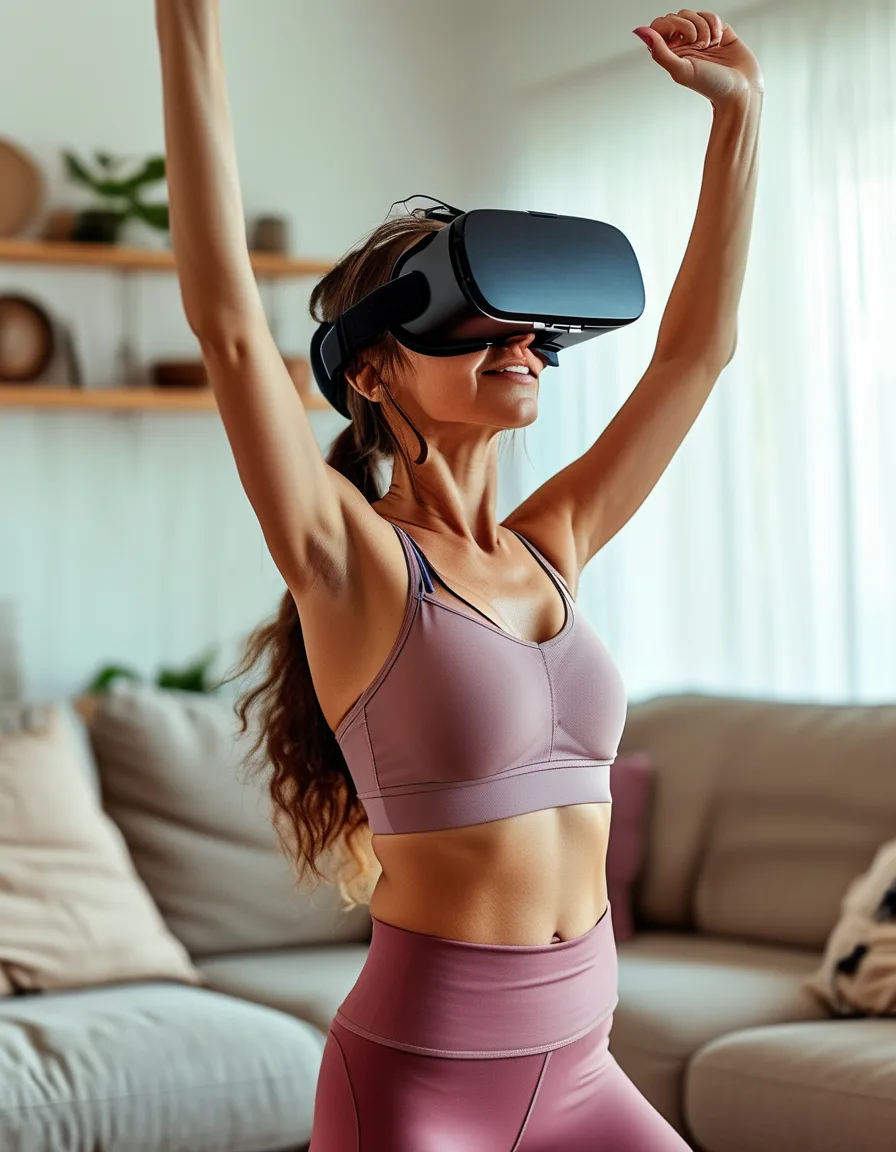
The most comfortable VR workouts keep your virtual movement matched to your real movement. Rhythm and boxing games, where you punch and dodge in place while the world stays stable, rarely cause sickness because your eyes and body agree. Avoid games with smooth artificial locomotion when you are starting out. Turn on any comfort settings the app offers, like a stable reference frame or a vignette that narrows your view during motion, and make sure your play space is well lit and your headset is properly fitted and focused, since a blurry or slipping headset makes everything worse.
Build tolerance gradually
Most people can train their tolerance the same way sailors get their sea legs. Start with short sessions of ten to fifteen minutes in comfortable, in-place games, and stop the moment you feel the first hint of queasiness rather than pushing through, which only teaches your brain to associate VR with feeling sick. Take a break, come back another day, and slowly extend your sessions. A fan blowing on you and staying well hydrated both help. Over a few weeks, the sensitivity that ended so many people’s VR fitness usually fades into the background.
Motion sickness ends far more VR fitness journeys than it should, because most people assume they are simply not built for it. In reality the nausea comes from a sensory mismatch you can largely design around. Start with rhythm and boxing games that keep your virtual and real movement in sync, turn on comfort settings, keep your space lit and your headset sharp, and build up session length gradually while stopping at the first sign of queasiness. Do that, and the tolerance usually arrives within a few weeks, turning VR from a nauseating novelty into a workout you actually look forward to.
Keep Reading
This article is for general informational and styling purposes only. Fit, sizing, and product availability may vary.