Look 1: Does Playing VR Fitness With Others Actually Boost Motivation?
Quick Answer: Multiplayer VR fitness sessions tend to produce longer, more consistent workout adherence than solo sessions, since social accountability and light competition tap into motivation drivers that a solo headset workout can’t replicate on its own.
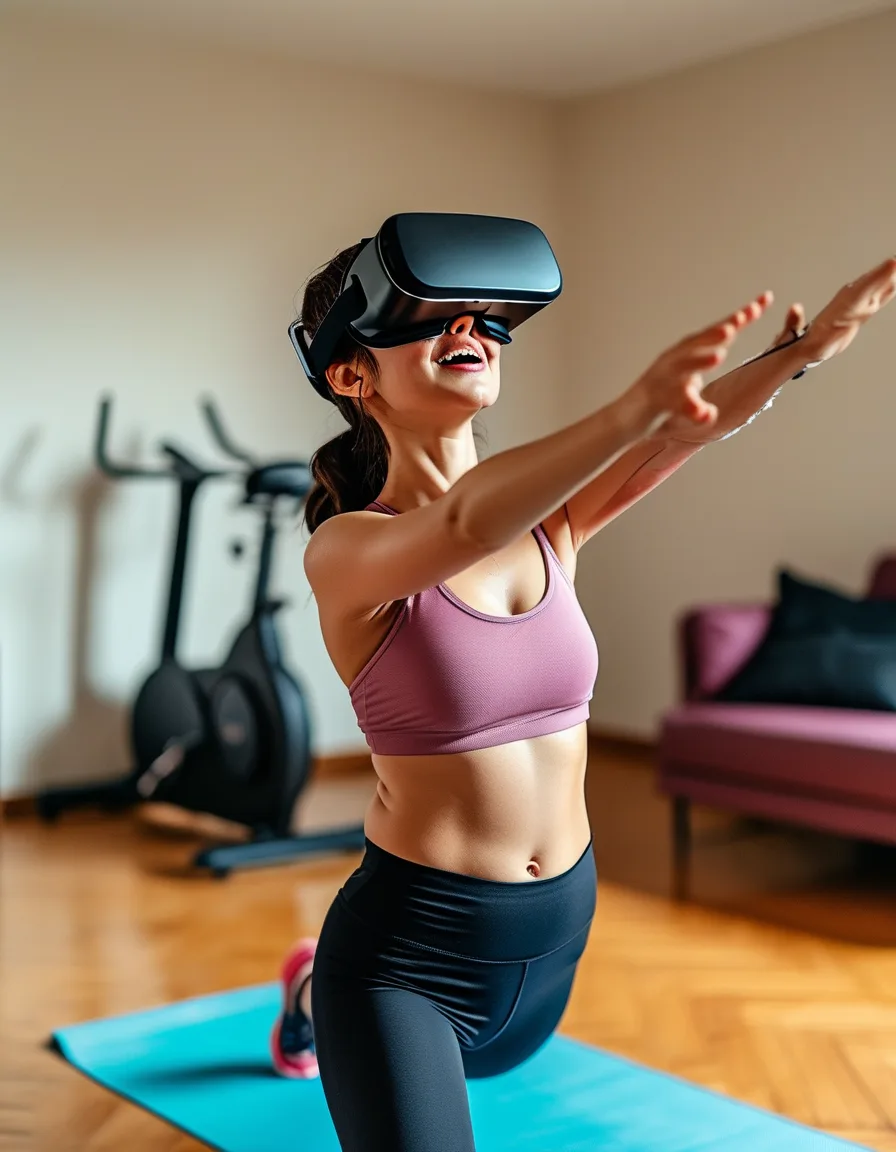
The headset was exciting for the first two weeks. Then it sat in a drawer — a familiar story for a lot of solo VR fitness users, and multiplayer modes solve a real part of why.
Look 1: Why Does Social VR Fitness Actually Improve Adherence
In-person group fitness classes have long shown better adherence than solo workouts, largely due to accountability and shared energy — and multiplayer VR fitness modes replicate a meaningful chunk of that dynamic, even through a headset.
Knowing a friend or teammate is expecting you at a scheduled VR session creates the same soft accountability that makes a Tuesday spin class harder to skip than a solo home workout.
Look 2: What Kinds of Multiplayer Modes Actually Work
Competitive leaderboard modes (racing scores, rhythm accuracy) tap into light competitive motivation, which research on exercise adherence consistently links to longer session length and higher effort than non-competitive solo play.
Cooperative modes, where you and a partner complete a workout together rather than against each other, tend to appeal more to people motivated by connection over competition — worth trying both to see which actually keeps you coming back.
Look 3: Does Multiplayer VR Fitness Actually Increase Intensity
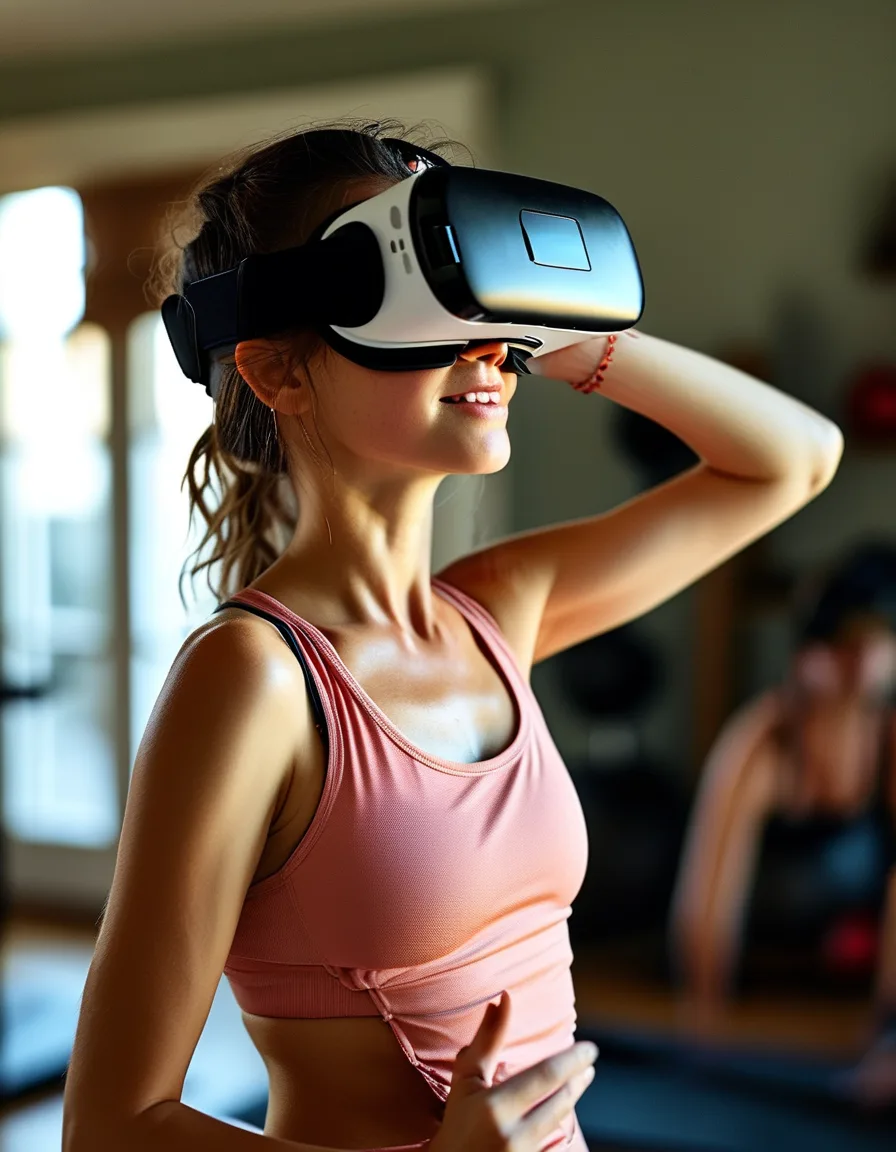
Often yes — studies on exergaming generally find that social or competitive elements increase both session duration and self-reported effort compared to identical solo routines, likely because external motivation supplements internal willpower on tired days.
That said, matching skill level matters: playing consistently against a much more advanced partner can discourage rather than motivate, so most platforms’ skill-based matchmaking exists for a real reason.
Look 4: What Nobody Tells You About VR Fitness Social Fatigue
Scheduled social sessions can become their own kind of obligation stress if overused — some users report multiplayer VR feeling more like a commitment to manage than solo sessions did, which can backfire for people already juggling a full calendar.
A sustainable approach for many people: 2-3 scheduled multiplayer sessions weekly, filled in with flexible solo sessions the rest of the week, capturing accountability benefits without turning every workout into a standing appointment.
Look 5: FAQ — Social VR Fitness Questions, Answered
Do you need friends who already own VR to use multiplayer fitness modes?
Most popular VR fitness platforms have built-in matchmaking with strangers, so a friend group isn’t required to access the social/competitive benefits.
Is multiplayer VR fitness better for weight loss than solo sessions?
The main advantage is adherence, not calorie burn per session — since consistent participation over time matters more for results than any single session’s intensity, better adherence indirectly supports better outcomes.
Can multiplayer VR fitness replace an in-person workout partner?
It’s a reasonable substitute for some of the accountability and social benefit, though it doesn’t fully replicate in-person connection for everyone — many users find it works best as a complement, not a full replacement.
TL;DR:
- Social and competitive VR fitness modes tend to boost adherence and session intensity
- Cooperative modes suit connection-motivated users; competitive modes suit others
- Skill-matched multiplayer avoids the discouragement of mismatched sessions
- Balance scheduled multiplayer with flexible solo sessions to avoid social fatigue
If your headset has been gathering dust solo, a scheduled multiplayer session or two might be the missing piece, not more willpower.
Keep Reading
This article is for general informational and styling purposes only. Fit, sizing, and product availability may vary.