Why Most VR Fitness Injuries Happen From Room Setup, Not From the Workout Itself
VR fitness injuries get discussed as if they’re caused by the intensity of the workout itself, but a large share of actual incidents trace back to something that happens before the workout even starts: an improperly configured or too-small play space that leaves no real margin for the physical movement a game demands.
Why an Improperly Configured Play Space Creates Collision Risk Regardless of Workout Intensity
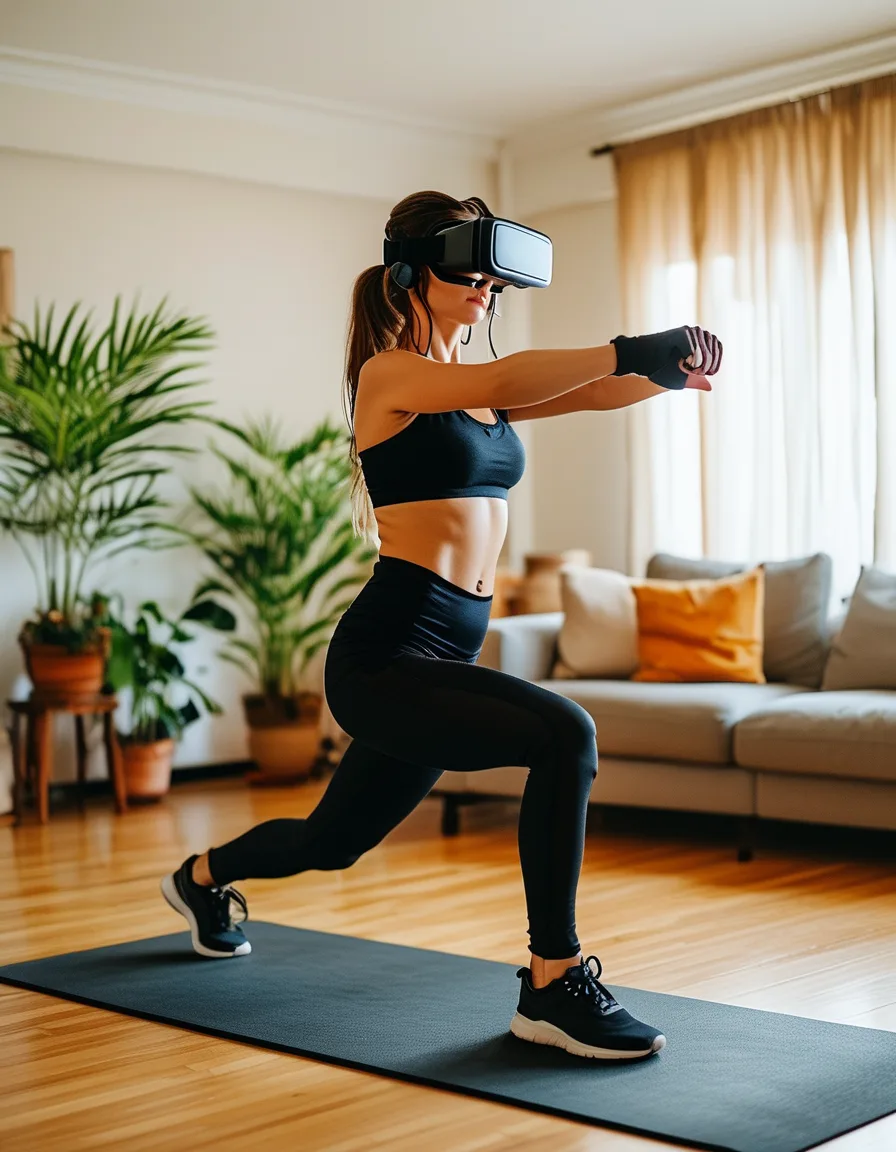
The setup-risk mechanism: the a-play-space-boundary-set-without-accounting-for-actual-full-range-of-arm-and-body-movement-during-gameplay (the a boundary based on standing-still dimensions rather than the space actually needed during active movement — the boundary-set-without-accounting-for-full-movement-range), the the-furniture-or-objects-just-outside-the-mapped-boundary-still-pose-a-collision-risk-during-a-lunge-or-swing-that-exceeds-it (the momentum during an intense movement carrying a person past the exact mapped line in a way a static boundary check doesn’t catch — the objects-near-boundary-risk-collision-during-momentum-exceeding-it), the the-a-low-intensity-workout-in-a-poorly-set-space-can-still-be-more-dangerous-than-a-high-intensity-one-in-a-well-set-space (the space configuration mattering more for actual injury risk than workout intensity itself — the poor-space-riskier-than-intense-workout-in-good-space), and the reframe (collision risk being primarily a room-setup problem, meaning fixing it addresses injury risk far more directly than moderating workout intensity does).
The Specific Room-Scale Setup That Actually Prevents It
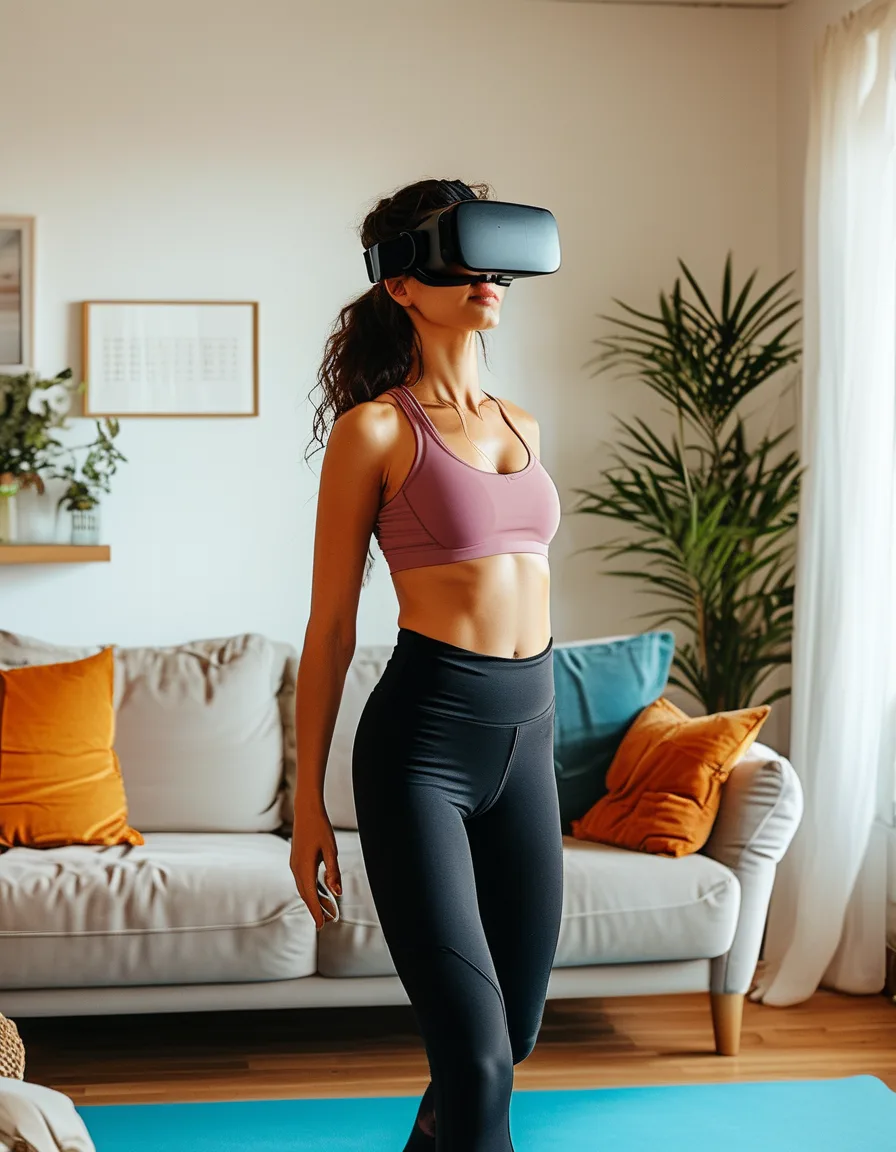
The actual setup: the map-the-boundary-with-extra-margin-beyond-simple-standing-reach-to-account-for-lunges-and-swings (the deliberately over-sizing the safety margin rather than mapping to exact static reach — the map-boundary-with-extra-margin-beyond-static-reach), the the-clear-furniture-and-objects-from-a-zone-noticeably-larger-than-the-mapped-boundary-itself (the treating the boundary line as a minimum rather than the actual outer limit of real movement — the clear-zone-larger-than-mapped-boundary), the the-remove-or-secure-loose-rugs-and-cords-within-the-entire-clear-zone-not-just-the-immediate-play-area (the trip hazards specifically requiring their own separate check beyond the collision boundary — the remove-trip-hazards-in-entire-clear-zone), and the frame (mapping the boundary with real movement margin, clearing an even larger zone of furniture, and separately checking for trip hazards like rugs and cords — the specific setup that actually prevents the room-based risk that causes most incidents).
How to Test the Space Safely Before Starting a High-Intensity VR Fitness Session
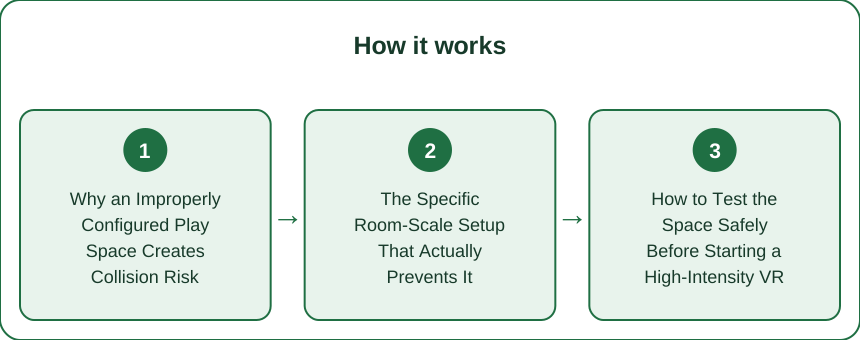
The pre-session test: the do-a-slow-walkthrough-of-the-most-intense-expected-movements-with-the-headset-off-before-starting (the physically rehearsing the largest anticipated movements without the added risk of impaired vision to actually check the space — the walkthrough-intense-movements-headset-off-first), the the-reach-in-all-directions-including-diagonals-and-overhead-to-confirm-nothing-is-within-striking-distance (the a full-range check rather than only checking the most obvious forward and side directions — the check-all-directions-including-diagonals-and-overhead), the the-repeat-the-space-check-any-time-furniture-or-room-contents-change-rather-than-relying-on-a-one-time-setup (the treating the room check as something to redo rather than a single permanent setup — the repeat-check-when-room-contents-change), and the frame (a slow walkthrough of intense movements with the headset off, a full-range reach check including diagonals and overhead, and repeating the check whenever the room changes — a pre-session test that catches what a one-time boundary mapping alone can miss).
VR fitness injuries often get attributed to workout intensity, but a large share actually trace back to room setup, since a play space boundary mapped only to standing-still reach doesn’t account for the full range of movement a game demands, and furniture just outside that mapped line still poses a real collision risk once momentum from a lunge or swing carries a person past it — meaning a low-intensity workout in a poorly set space can be more dangerous than an intense one in a well-set space. The setup that actually prevents this is mapping the boundary with real margin beyond static reach, clearing furniture from a zone noticeably larger than that boundary, and separately checking for trip hazards like loose rugs and cords across the entire clear zone. Before starting a high-intensity session, do a slow walkthrough of the most intense expected movements with the headset off, reach in all directions including diagonals and overhead to confirm nothing is within striking distance, and repeat that check any time the room’s furniture or contents change.
Keep Reading
This article is for general informational and styling purposes only. Fit, sizing, and product availability may vary.